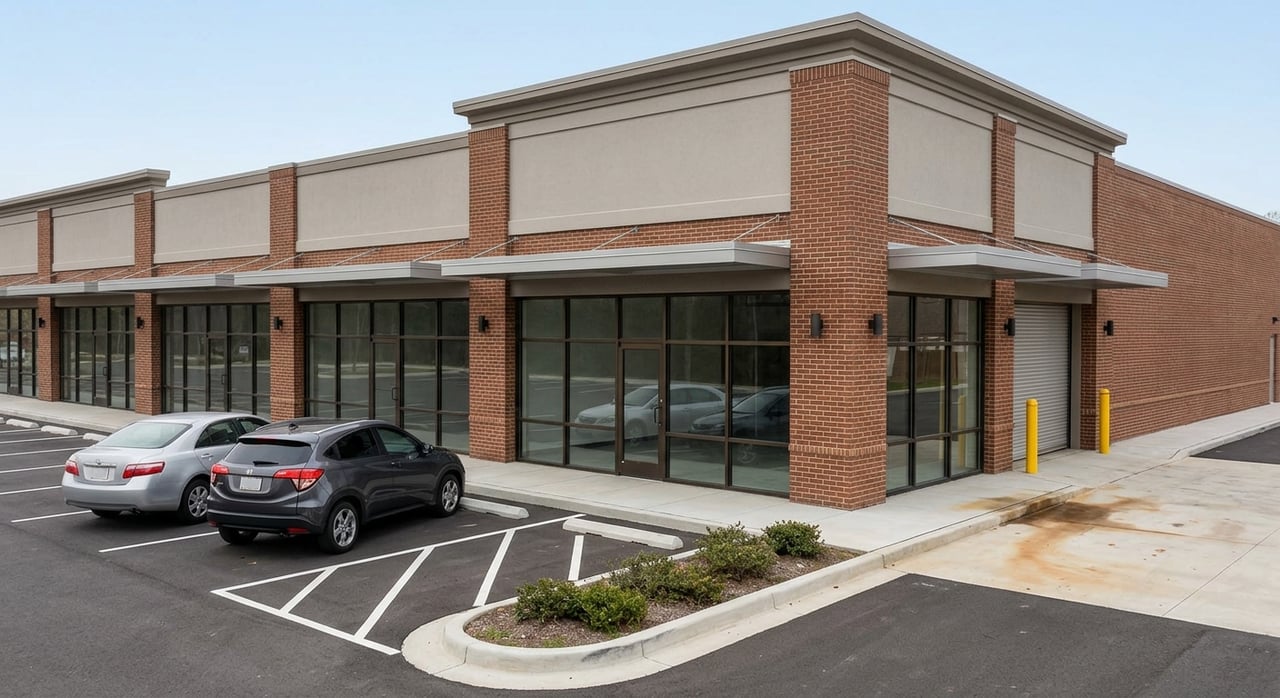
Need more than a vacant storefront to attract the right retail tenant in Staten Island? In this borough, tenants usually start with the basics that drive daily sales and operations: visibility, access, parking, and a tenant mix that brings repeat traffic. If you own, market, or evaluate a retail center here, understanding what tenants screen first can help you position space more effectively and avoid costly leasing delays. Let’s dive in.
Staten Island Retail Starts With Access
Staten Island has a retail pattern that looks different from many other parts of New York City. It is the city’s only borough without a subway, and current mobility data show that 61.9% of commuters travel by car, truck, or van, while 24.3% use public transportation. The borough profile also notes that 82% of households own at least one vehicle.
That matters because retail tenants are not just evaluating a box on a site plan. They are asking how customers and employees will actually reach the space every day. In Staten Island, the answer often begins with easy car access, clear circulation, and a parking layout that works during peak hours.
The borough’s population and spending base also support this focus. The Census Bureau profile lists 495,747 residents and a median household income of $97,911. For many tenants, that combination makes Staten Island attractive, but only if the site is easy to use.
Visibility Still Drives First Impressions
Before a tenant gets into rent, buildout, or lease terms, they usually ask a simpler question: can customers find the space quickly? For Staten Island centers, that often means strong street frontage, clean sight lines, and signage that is not blocked by landscaping, adjacent buildings, or awkward site design.
This is especially important along major corridors. DOT identifies Hylan Boulevard as a major traffic artery, commercial corridor, and heavily trafficked bus route. On corridors like that, visibility from the road can matter more than relying on foot traffic alone.
A center may have solid demographics and available space, but if the storefront is hard to see from the main approach, tenants notice. The same goes for confusing entrances, poor turning movements, or layouts that make a quick stop feel inconvenient.
What tenants check first on visibility
- Clear visibility from the primary corridor
- Unobstructed storefront signage
- Direct and intuitive site entry
- Easy access for drivers, pedestrians, and bus riders
- Frontage that supports brand recognition from the street
Parking Is a Leasing Issue, Not a Bonus
In Staten Island, parking is not just a nice extra. It is part of the core leasing story. Because so many customers and workers arrive by car, tenants pay close attention to how many spaces are available, where those spaces sit, and whether the layout supports quick in-and-out trips.
This is especially true for everyday-needs retail. Active users of retail space in 2026 include grocery-anchored centers, neighborhood centers, strip centers, restaurants, discount stores, and off-price retailers. These uses depend on convenience, and convenience often starts in the parking lot.
South Shore and west-side locations tend to need an even stronger parking story. Research points to the North Shore as relatively more transit-oriented, while South Shore neighborhoods such as Tottenville, Great Kills, and Annadale have some of the city’s highest household vehicle availability at 94%. In those submarkets, tenants are likely to be even more sensitive to parking supply and site circulation.
Parking details tenants care about
- Enough spaces for customers and employees
- Convenient storefront access from parked vehicles
- Smooth internal circulation during busy periods
- Safe turning movements at curb cuts and drive aisles
- Separation between customer parking and service activity where possible
Loading, Deliveries, and Back-of-House Flow Matter
Many deals slow down when a space works in theory but not in daily operations. Tenants often ask practical questions early: where do deliveries come in, where do drivers park, where does trash go, and can service functions happen without disrupting customers?
This matters across several active retail categories, but it is especially important for grocery, restaurant, and other operationally intensive uses. Some spaces may also need loading-dock modifications or infrastructure that supports a specific buildout. If a center cannot handle basic service needs efficiently, it may lose otherwise qualified tenants.
A strong retail center does not just present well from the street. It also works behind the scenes. Landlords who solve for deliveries, waste flow, and service access upfront often make leasing conversations much easier.
Tenant Mix Is Shifting Toward Daily Traffic
Today’s retail leasing environment is less dependent on a narrow list of traditional anchors. Traffic generation still matters, but the definition of an anchor has expanded. Restaurants, gyms, and activated public space are increasingly viewed as valid traffic drivers, and older restrictions around certain uses are being revisited.
That shift fits well with what is happening nationally. JLL’s Q1 2026 retail report says restaurants, discount, and grocery lead openings, with fitness and off-price also expanding, while apparel continues to contract. CBRE’s 2026 outlook also points to grocery-anchored centers, neighborhood centers, and strip centers as well-positioned formats.
For Staten Island owners and landlords, the takeaway is practical. A center built around routine visits and everyday-needs traffic is usually more aligned with current tenant demand than one that depends heavily on discretionary apparel or one-time destination shopping.
Uses that align with current demand
- Grocery
- Discount retail
- Off-price retail
- Restaurants
- Fitness
- Service retail such as salons, tutoring, pet services, and tax preparation
Why Established Nodes Attract Tenants
Retail on Staten Island is not evenly spread across the borough. It tends to cluster in established nodes where tenants can benefit from surrounding traffic, neighboring brands, and familiar shopping patterns. That makes location inside a known retail cluster more valuable than an isolated address with weaker adjacency.
The 2025 State of the Chains report shows this clearly. New Springville, ZIP code 10314, has 183 national retail outlets, well ahead of Oakwood/New Dorp with 67 and Pleasant Plains/Princess Bay with 50. Those numbers suggest that tenants favor places where customers already expect to shop.
For landlords, this reinforces an important point. Leasing strength is often tied to the full center and corridor story, not just one vacancy. When you can show visible anchors, repeat visits, and complementary neighboring uses, the space becomes easier for a tenant to underwrite.
Submarket Fit Matters Across Staten Island
Not every Staten Island retail site should be marketed the same way. The North Shore may be able to lean more on ferry, rail, and bus access, while South Shore and west-side centers often need a stronger emphasis on parking and auto convenience. A one-size-fits-all leasing pitch can miss what tenants are really screening for in each area.
Local corridor conditions matter too. A 2025 Great Kills transportation study found that 72% of residents use cars as their primary mode of transportation. It also documented metered parking on commercial streets such as Amboy Road, Giffords Lane, and Nelson Avenue, along with short-term delivery parking needs.
That is a useful reminder that even strong corridors need balance. Tenants want enough customer parking, but they also need circulation and truck access that support daily operations. The most marketable centers usually solve for both.
A Practical Staten Island Tenant Checklist
If you want to understand how a retail tenant may view your center, start with this simple checklist.
Site features tenants usually prioritize
- Strong frontage on the main corridor
- Clear sight lines to storefronts and signage
- Easy ingress and egress for cars and delivery vehicles
- Parking that supports customer turnover and employee needs
- Loading and waste areas that do not interfere with shoppers
- A tenant mix built around repeat neighborhood visits
- A leasing strategy tailored to the submarket’s travel patterns
What This Means for Owners and Landlords
Staten Island remains a comparatively tight retail market by city standards. A June 2026 Comptroller report put the borough’s storefront vacancy rate at 7.5%, the lowest in New York City, though vacancy still clusters on the North Shore and in pockets such as New Dorp and Midland Beach. Good space can move quickly, and JLL reports that 36% of new retail leases in Q1 2026 were signed within five months of a space becoming available.
That speed rewards preparation. Before bringing space to market, it helps to confirm local zoning and DOT requirements, especially because New York City zoning includes Staten Island-specific parking provisions for certain mapped districts and uses. It also helps to present the space through the lens tenants actually use: access, parking, visibility, service flow, and co-tenancy.
In simple terms, the strongest leasing story in Staten Island is usually not just about square footage. It is about whether the site supports how retail operates in a borough where convenience, driving patterns, and repeat neighborhood traffic shape demand every day.
If you are evaluating a Staten Island center, repositioning vacant retail, or planning your leasing strategy, working with a senior-led team can help you align the property with what today’s tenants are actually seeking. To start the conversation, connect with Asset CRG Advisors LLC.
FAQs
What do retail tenants look for first in Staten Island centers?
- Retail tenants in Staten Island usually focus first on visibility, easy car access, parking, internal circulation, and a tenant mix that brings repeat traffic.
Why is parking so important for Staten Island retail properties?
- Parking matters because Staten Island is highly auto-oriented, with 61.9% of commuters traveling by car, truck, or van and 82% of households owning at least one vehicle.
Which retail categories are growing in Staten Island-type centers?
- Current demand is strongest for grocery, discount, off-price, restaurants, fitness, and service-oriented retail rather than apparel-led concepts.
Why do established Staten Island shopping nodes attract more tenants?
- Established nodes give tenants surrounding traffic, visible anchors, and brand adjacency, which can make customer acquisition and site selection easier.
How should landlords market retail space differently across Staten Island submarkets?
- North Shore sites may emphasize transit access more, while South Shore and west-side centers usually need a stronger message around parking, auto access, and daily-use convenience.