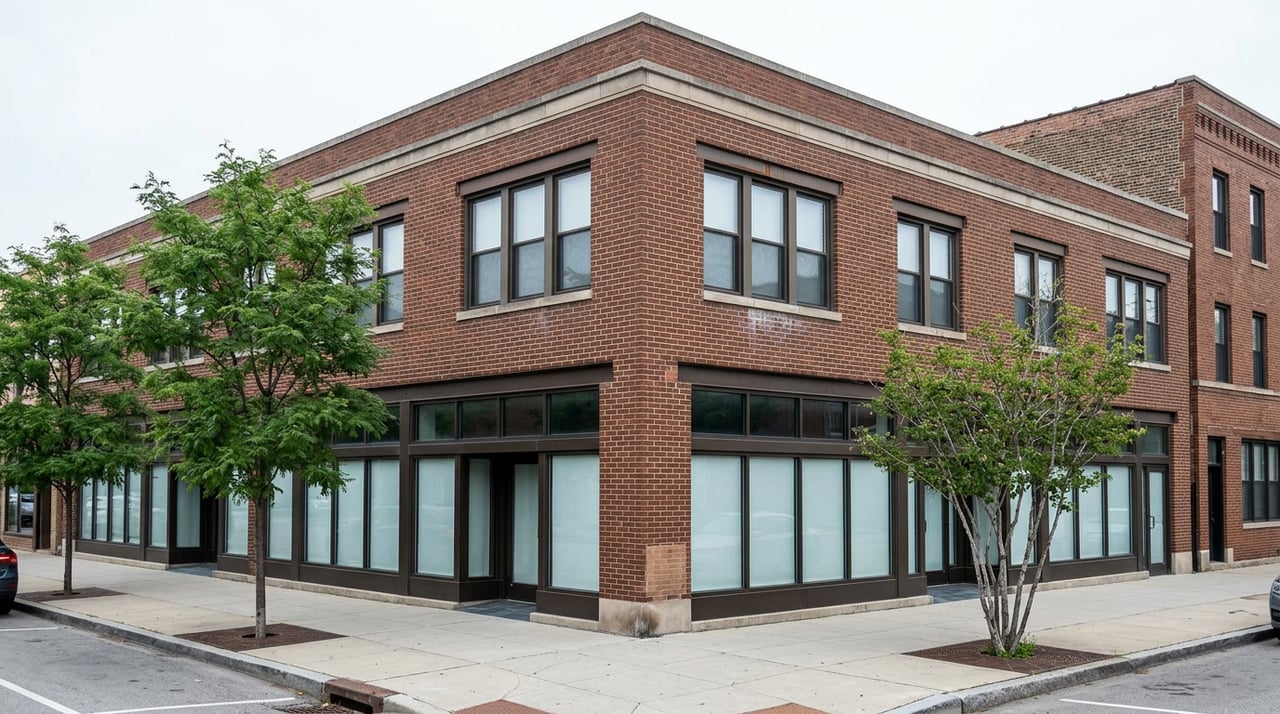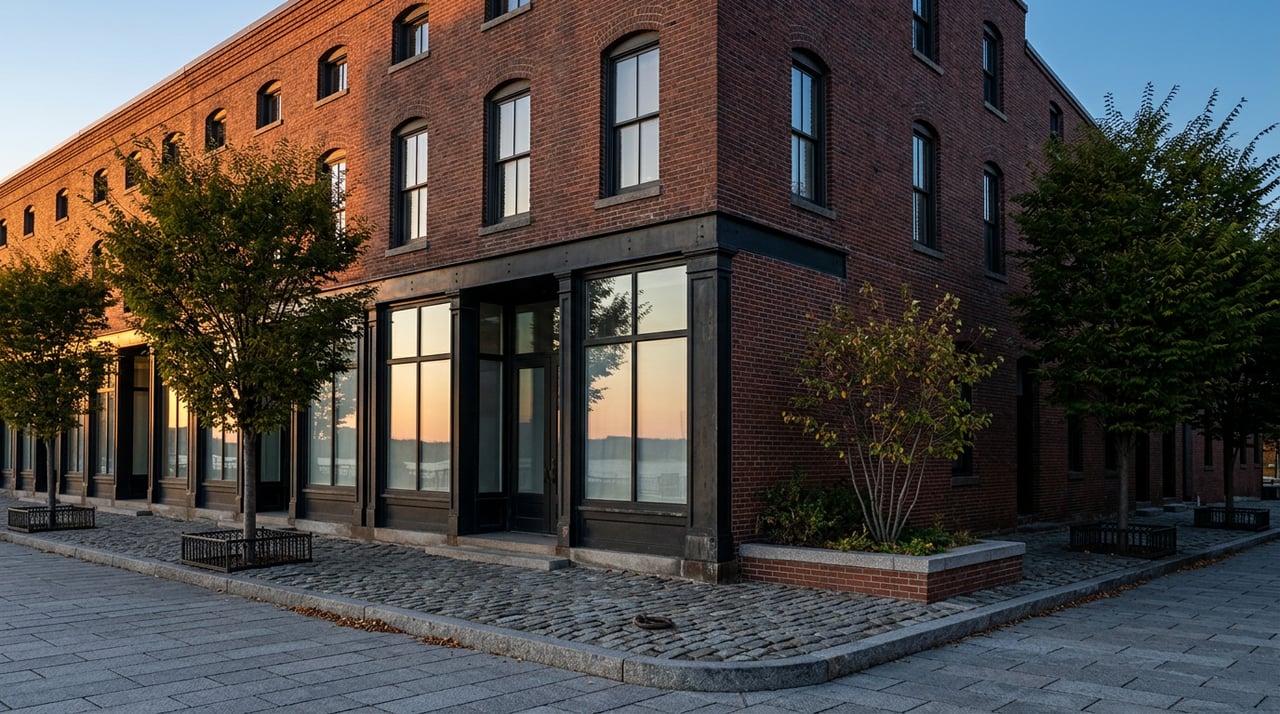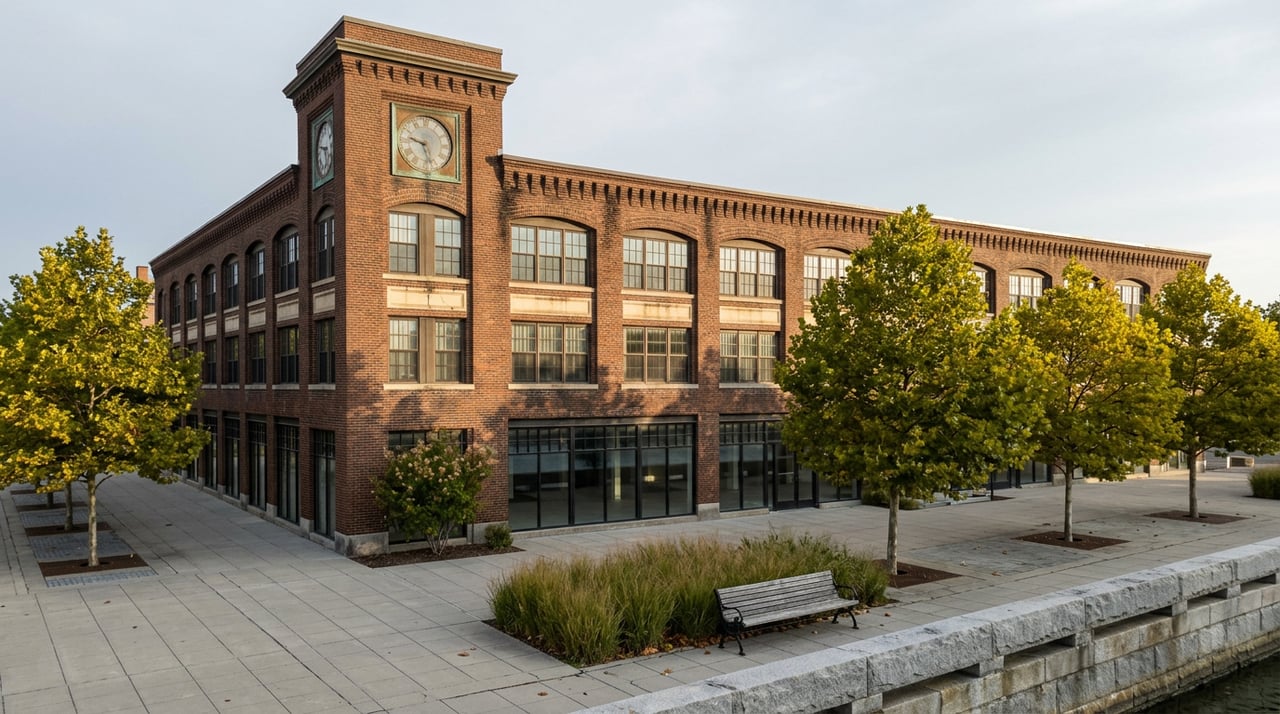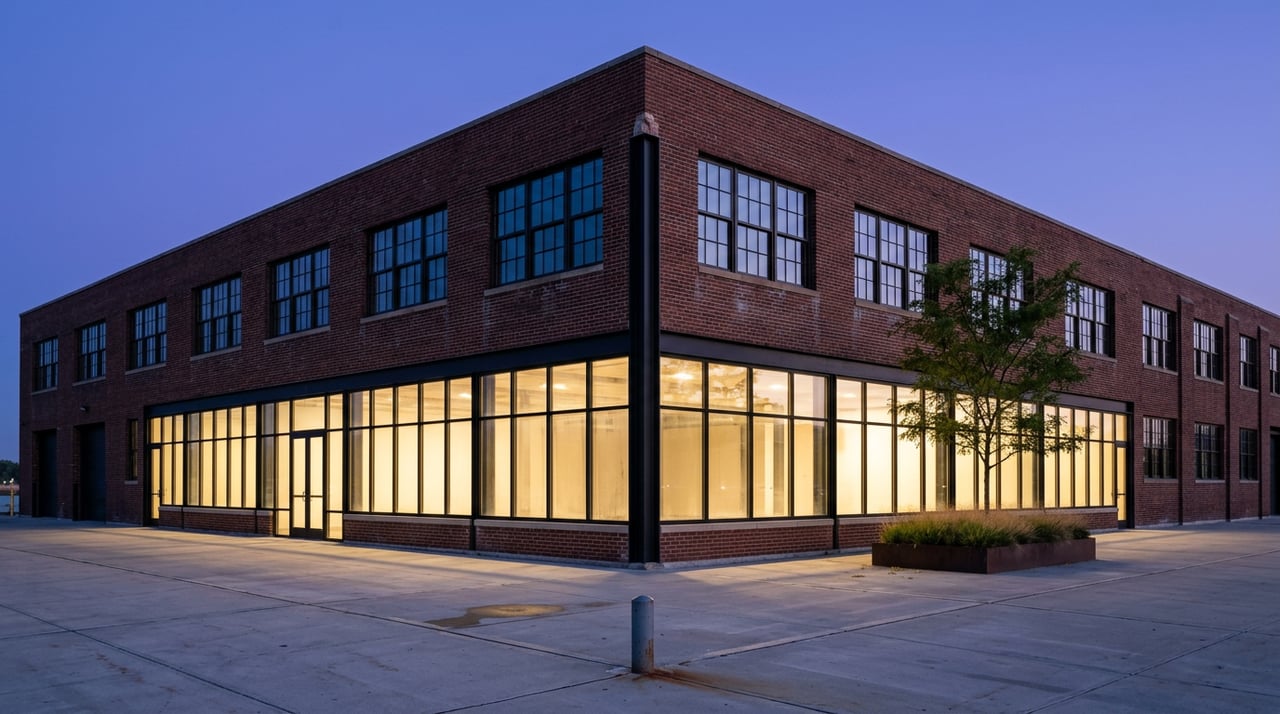
Walk the new esplanade behind MADE Bush Terminal on a Wednesday evening and you'll pass forklifts still moving pallets in the buildings next door. That's the part of this story most guides skip. Sunset Park's waterfront isn't turning into a park with a few old warehouses left standing for character. It's staying a working waterfront, cranes and climate-tech startups and all, while quietly adding the kind of food, farming and event programming that used to require a trip to Williamsburg or Dumbo.
That's the thing worth understanding this fall: the neighborhood isn't trading its industrial identity for a social one. It's running both at once, and the fall calendar is the first real proof of what that looks like on the ground.
The Waterfront That Kept Its Day Job
In April 2026, the temporary home for BATWorks opened inside the Brooklyn Army Terminal. It's a climate-innovation hub with a specific job: support climate tech companies through programming, piloting and commercialization, while running workforce training for people who actually live in the neighborhood. The permanent version, under construction inside Building A, is targeted for 2028. Across the four industrial campuses that make up what the city calls the Sunset Park District, the NYCEDC counts nearly $2.3 billion in public and private investment either underway or completed, aimed at growing manufacturing jobs rather than replacing them.
That distinction matters if you live here. The waterfront isn't being cleared for residential towers the way other Brooklyn shorelines were a decade ago. It's staying zoned for the work it already does, which means the changes showing up this year are additions, not substitutions.
What's Already Open, No Waiting Required
The clearest example is Sahadi's. The Middle Eastern grocer opened a second Brooklyn location inside Industry City, its first expansion in three generations of family ownership. That's worth sitting with. Sahadi's production facility has been a few blocks away in Sunset Park for years. This isn't an outside brand discovering the neighborhood. It's a business that already manufactures here, finally opening a storefront to match.
The new space runs 7,500 square feet with 80 seats, Lebanese wines on tap, daily meze specials and one of the only operational Saj griddles in the city. It sits inside a campus that already houses more than 35 restaurants, bars, breweries and grocery stores, including the city's largest Japanese food hall, so Sahadi's isn't a lone destination. It's one more reason the campus works as an actual evening out rather than a daytime errand.
This Fall's Calendar Has Real Dates
Industry City's event lineup for the next six weeks gives residents something specific to plan around, not just a vague sense that things are happening:
| Event | Date | What it is |
|---|---|---|
| Fall Sake-Con NYC 2026 | Sunday, September 20 | Sake tastings and vendor booths across the campus |
| Magical Girls Festival | Saturday, September 26 | Pop culture festival with vendor market |
| El Souq Pop-Up | Saturday, October 3 | SWANA and South Asian marketplace |
| A Current Affair Vintage Marketplace | Recurring fall dates | Pop-up vintage market |
Alongside the one-off festivals, Industry City also runs a standing Gourmet Food and Drinks Tour that moves through the campus's actual tenants: bonbons at Li-Lac Chocolates, imports and meze at Sahadi's, a whiskey tasting at Fort Hamilton Distillery, and a sake flight to close it out. It's built for a date night or a small group, and it exists specifically because the campus now has enough food and drink businesses clustered together to support a walking tour between them.
The Roof That Still Grows Food
Above all of this, on top of the old Bush Terminal buildings, Brooklyn Grange runs a 3.2-acre rooftop farm, one of the largest rooftop soil operations anywhere. You get there through the lobby of the Liberty Brooklyn Building, where a passenger elevator takes you straight up. The farm runs public tours, workshops and a monthly farmers market, plus seasonal Sunset Supper dinners built around whatever is being harvested that week. Downstairs in the same building's food court, Table 87 sells pizza to the people who came just to see the farm and stayed for lunch.
It's an odd pairing on paper: a functioning agricultural operation stacked on top of industrial buildings that still house manufacturing tenants. But that layering is exactly what makes Sunset Park's waterfront different from a redeveloped shoreline. Nobody cleared space for the farm. It sits on a roof that was doing something else entirely a decade ago, and the ground floor still does something else now.
The Concert Hall Nobody's Named Yet
The biggest addition is also the one still under construction. The team behind Gowanus's Public Records is building a 1,000-capacity music and arts venue inside MADE Bush Terminal's Building A, expected to open in late 2026. The venue itself hasn't been named publicly, and it won't be called Public Records. NYCEDC has described the arrangement as a long-term partnership rather than a standard landlord-tenant lease, with a ten-year commitment tied to the space.
Building A itself, roughly 200,000 square feet, was completed at the end of 2024, and the waterfront esplanade that runs alongside it is already open to the public. That's the piece worth knowing if you've walked past the construction fencing and wondered what all of it adds up to. The public-facing part, the walkway along the water, has been usable for a while. The part that will actually pull people onto the waterfront after dark, the venue itself, is still a few months out.
What This Actually Changes About a Wednesday Night
None of this requires a car, a reservation months out, or a trip across the borough. A Wednesday evening in Sunset Park right now can include a rooftop farm tour, a walk down the new esplanade past working warehouses, and dinner at a grocery store that's been making meze here for three generations. By late 2026, it can also include a concert in a warehouse that didn't have a stage a year ago.
That's the actual shift. Not a neighborhood becoming something else, but a working waterfront that finally has enough going on inside its own buildings to be worth walking down to on a night you don't have anywhere else to be.
If you're watching how this kind of layered industrial and retail growth plays out in property values and leasing activity along the Sunset Park waterfront, Asset CRG tracks these corridors closely as part of our Brooklyn coverage. Request a Property Valuation & Off-Market Access to talk through what a specific address or storefront is worth in this market.