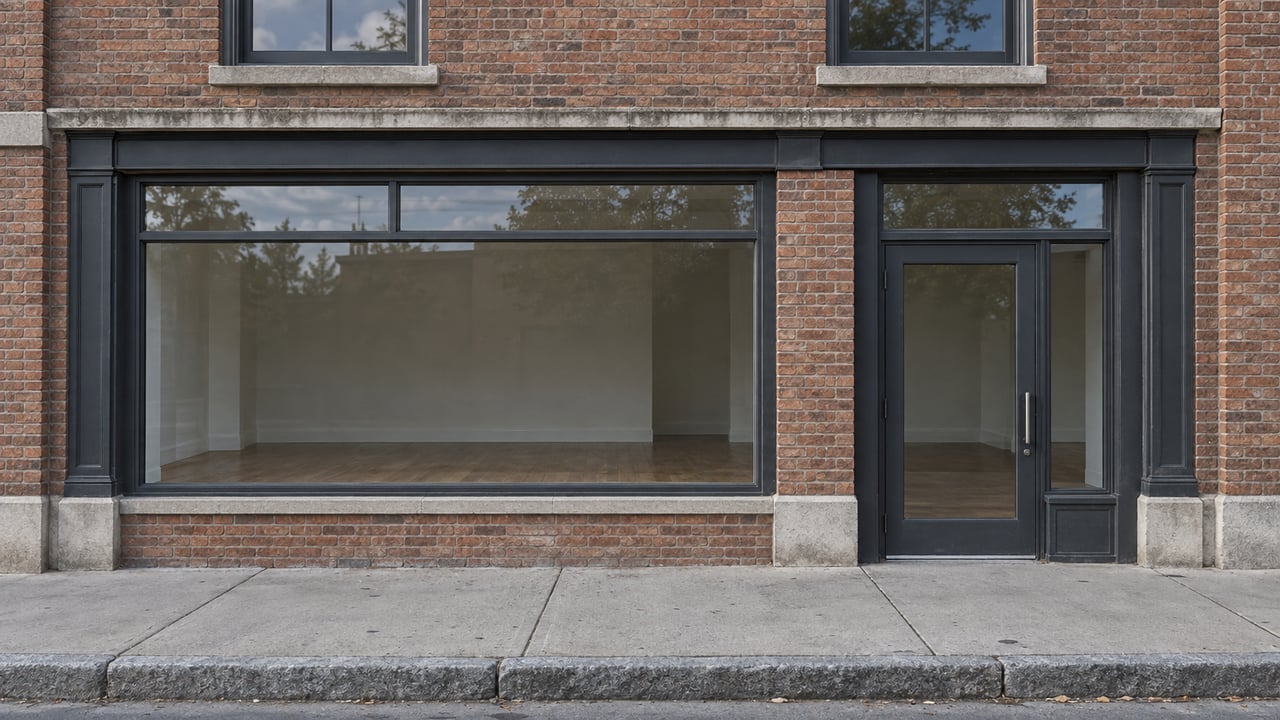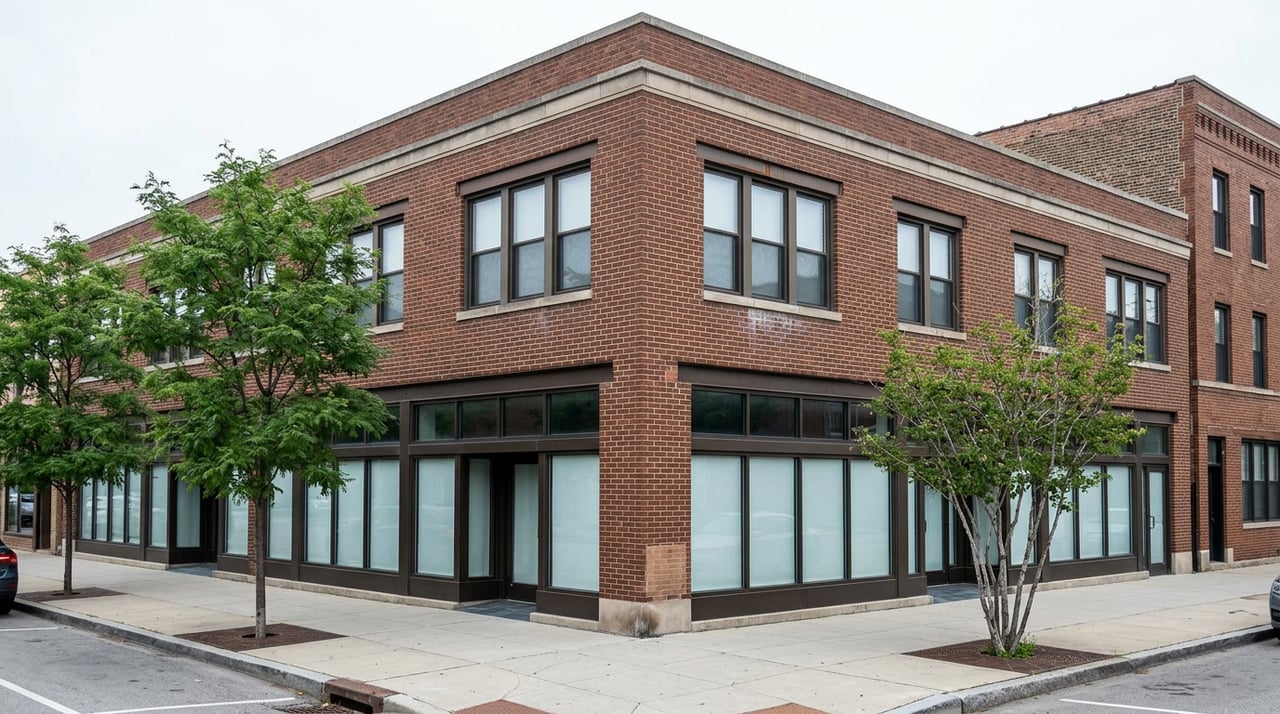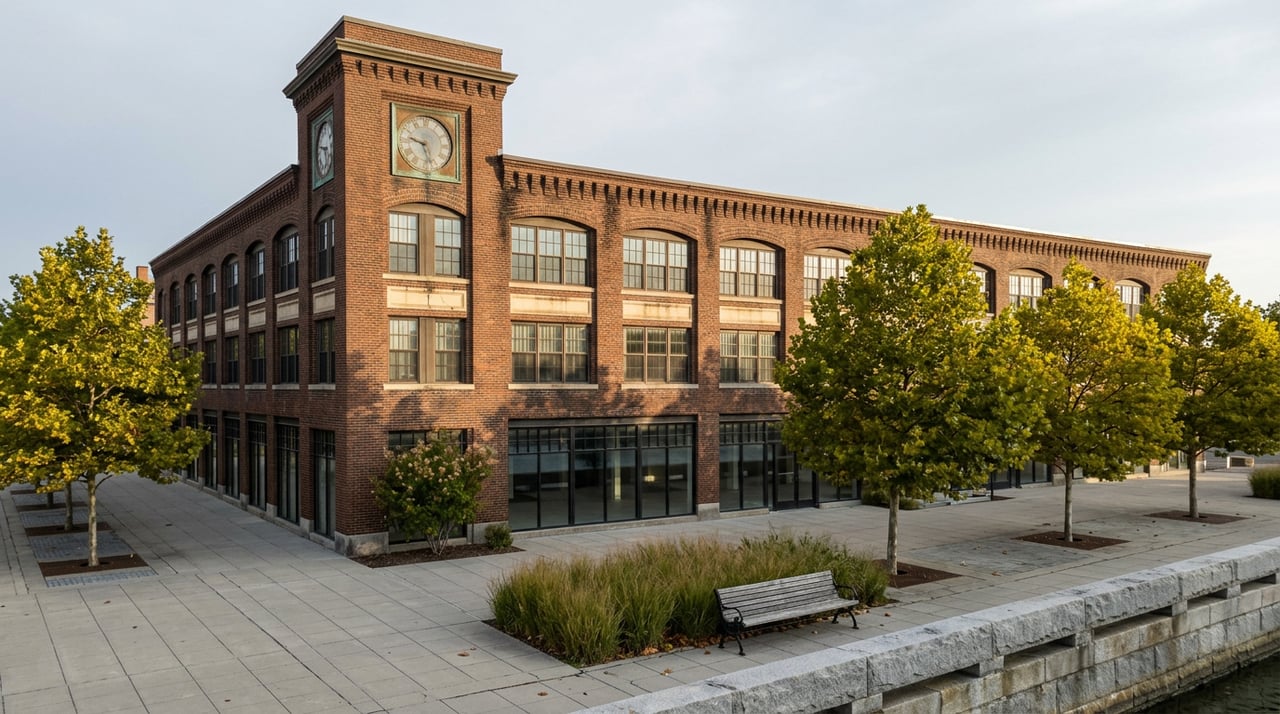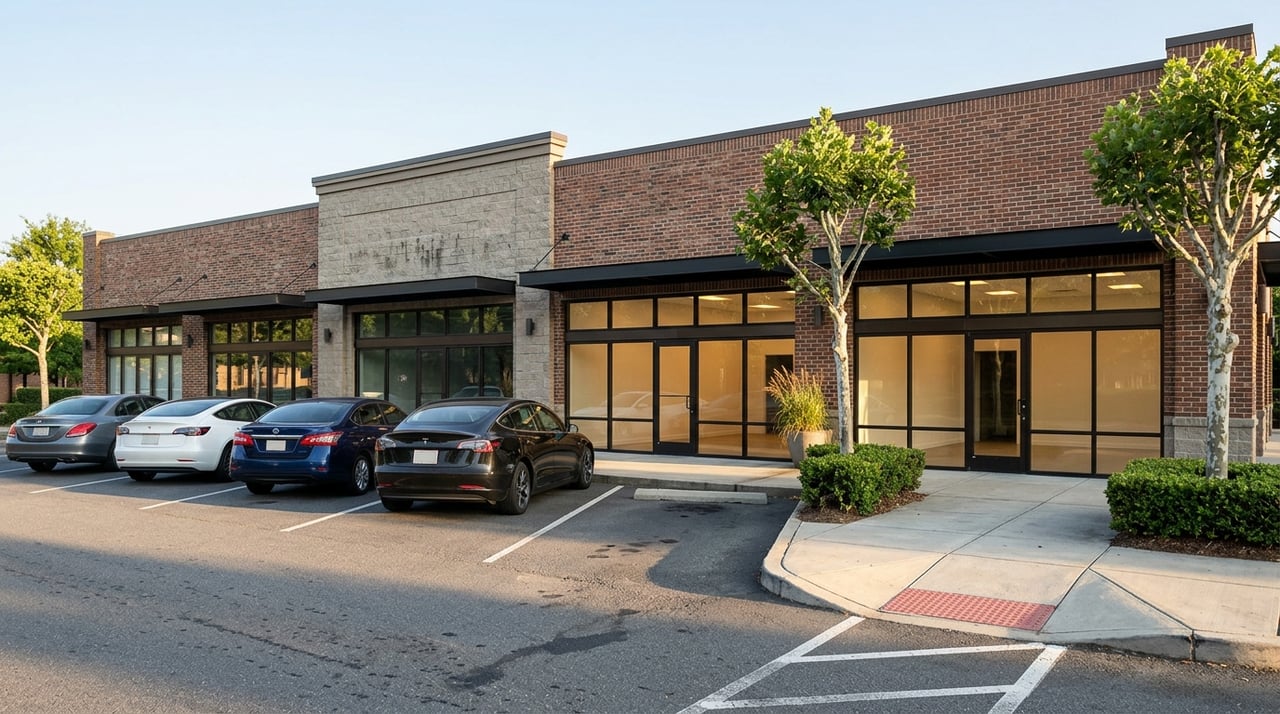
If you are trying to understand why one Staten Island retail corridor stays busy while another struggles, the answer usually is not just population. On Staten Island, retail performance is shaped by how people move, where they shop for daily needs, and whether a corridor matches the trips people already make. When you look at the borough through that lens, the patterns become much clearer. Let’s dive in.
Staten Island Starts With Its Demand Base
Retail performance begins with the customer base, and Staten Island brings several advantages. In 2023, the borough had 490,687 residents, and from 2018 to 2022 it posted a median household income of $96,185, the highest of the five boroughs, according to the NYC Comptroller’s Popular Annual Financial Report. The same report shows 68.6% of housing units were owner-occupied.
That matters because higher household income and homeownership often support steadier neighborhood spending. On Staten Island, that spending is not concentrated in one dense urban core. Instead, it is spread across local shopping centers, strip corridors, destination retail, and town-center districts.
The borough’s mean travel time to work was 43.8 minutes, which also points to a commuter-oriented consumer pattern. Many retail trips happen before or after work, during errands, or as part of car-based routines. For owners, tenants, and investors, that means retail success often depends on fitting into everyday behavior, not just securing a visible storefront.
Car Access Drives Most Corridors
For much of Staten Island, the most important retail question is simple: How easy is it to get there by car? According to the NYC DOT Staten Island Pedestrian Safety Action Plan, Staten Island is the city’s most auto-dependent borough. The report states that 82% of households own at least one vehicle, two out of three residents drive to work, and the borough has no subway.
That helps explain why many successful retail locations on the island are built around convenience, parking, access, and visibility. A site with strong vehicle flow, easy turns, and practical curb access can outperform a site with better theoretical walkability. In much of the borough, retail follows the car.
This pattern also shapes the kinds of businesses that tend to hold up better. Corridors that capture recurring trips such as food, personal services, and everyday convenience often show more resilience than corridors that depend heavily on discretionary comparison shopping.
North Shore Retail Works Differently
The North Shore is the major exception. DOT notes that the Staten Island Ferry, Staten Island Railway, and a dense bus network converge there, creating a much more transit-oriented and pedestrian-active environment than most of the borough. That changes the retail formula.
The best example is Downtown Staten Island and the Bay Street corridor. According to the NYC SBS Neighborhood 360° Bay Street CDNA, Bay Street functions as a multi-modal hub with 70,000 daily ferry passengers and more than 7,300 weekday Staten Island Railway passengers. The area also benefits from daytime workers and a long-standing base of small businesses.
But strong traffic alone does not guarantee strong performance. The same SBS report found a 21% retail vacancy rate on Bay Street and identified challenges tied to lighting, cleanliness, wayfinding, and perceived safety. That is an important lesson for anyone evaluating Staten Island retail: natural demand can be real, but if the public realm feels weak or storefront conditions lag, leasing performance can still suffer.
Hylan Boulevard Depends on Flow and Friction
Hylan Boulevard is one of the borough’s most important commercial corridors, but it performs by a different set of rules than Bay Street. DOT identifies Hylan Boulevard as a major traffic artery, commercial corridor, and heavily used bus route. It is also one of the borough’s notable pedestrian safety hot spots.
For retail users and property owners, that means Hylan Boulevard is highly sensitive to circulation. Vehicle throughput, turn access, curb management, and safe crossings can influence performance as much as the surrounding population base. In practical terms, a location on Hylan may succeed because it is easy to enter and exit, not just because it sits on a busy stretch.
This is where Staten Island differs from denser parts of New York City. In many borough markets, foot traffic alone carries the story. On Staten Island, the quality of movement often matters more than raw movement.
Big-Box and Town Centers Follow Two Logics
Staten Island retail is not one market. It is a group of micro-markets that tend to follow two distinct models.
According to the Department of City Planning’s Staten Island Growth Management materials, one model is the regional shopping area, which includes malls and big-box stores with large parking areas, with Staten Island Mall serving as the clearest example. The other model is the mixed-use commercial corridor or town center, such as Great Kills along Amboy Road.
These formats succeed for different reasons:
- Destination centers and big-box strips rely on parking, visibility, broad trade areas, and easy car access.
- Town centers rely more on repeat visits, nearby households, commuters, and daily-needs shopping.
That distinction is not accidental. DCP’s planning framework reflects the reality that Staten Island does not need every corridor to behave the same way. The retail format has to fit the local trip pattern.
Great Kills Shows What Strong Local Retail Looks Like
Great Kills is one of the better examples of a stable Staten Island town-center environment. In the 2024 Great Kills Transportation Study, DCP identified 113 storefronts in the study area. Service businesses made up the largest share, followed by food and drink, community facility uses, and a smaller retail component.
The study reported an 8% vacancy rate at the end of 2024, which was in line with Staten Island overall and below the citywide rate. It also found that the four census tracts studied had a median household income of $131,338 and a 77% owner-occupied rate, both above the borough average.
Those numbers help explain why Great Kills performs relatively well. It combines strong local purchasing power with a neighborhood-serving tenant mix. At the same time, the study notes that parking lots and curb cuts can weaken the walkable environment, which shows that even stronger corridors can carry friction points.
Tenant Mix Often Matters More Than Category Labels
Across New York City, storefront demand has shifted over time, and Staten Island is part of that trend. The NYC Department of City Planning storefront report found that food and beverage businesses have nearly doubled since 2000, while dry goods retail and local services have declined citywide over the long term. The same report shows the citywide storefront vacancy rate fell to 11.15% in Q2 2024, while public statements from the Mayor’s Office noted that the Bronx, Queens, and Staten Island were all below 9% vacancy.
For Staten Island, the key takeaway is practical. Corridors that capture daily convenience demand often hold up better than those that depend on destination apparel or discretionary comparison shopping. Uses tied to food, health, personal care, and everyday services tend to match how the borough shops.
That does not mean traditional retail has no place. It means the strongest performance usually comes when the tenant mix aligns with recurring neighborhood habits. On Staten Island, that alignment can be more important than a generic label like “retail corridor.”
A Practical Framework for Evaluating Staten Island Retail
If you are screening a Staten Island retail property, corridor, or leasing opportunity, it helps to focus on a few core variables.
Customer Base
Start with income, homeownership, and the type of demand around the site. Borough-wide metrics are strong, but local patterns vary. Great Kills benefits from higher-income, owner-occupied households, while Bay Street leans more on workers, transit riders, and visitors.
Access and Circulation
Decide whether the location wins on parking and vehicle convenience or on transit and foot traffic. On the North Shore, transit can replace parking for certain uses. On the South Shore and in many mid-island locations, easy turns, visible entrances, and practical parking are often central to performance.
Tenant Mix and Anchors
Look at whether the existing mix matches everyday demand. Food, health, services, civic uses, and convenience retail are often the categories that best fit Staten Island’s shopping patterns. Strong anchors can also help smaller tenants by creating a repeat-trip environment.
Public Realm and Vacancy
Do not overlook lighting, cleanliness, signage, and sidewalk continuity. Bay Street shows that a corridor can have substantial built-in traffic and still face elevated vacancy if street conditions create friction. The public realm directly affects leasing momentum and consumer comfort.
Zoning and Reinvestment Risk
Zoning can either support upgrading a corridor or make reinvestment harder. DCP’s commercial corridor rezoning materials explain that older regulatory conditions had discouraged reinvestment in some areas. Rezonings along corridors such as Richmond Avenue, Hylan Boulevard, and Forest Avenue were intended to create a more predictable framework.
The Real Question Is What Trips a Corridor Captures
The clearest way to understand neighborhood retail performance on Staten Island is to ask what kind of trip a location captures. Is it serving a morning commuter, an afternoon errand run, a school pickup routine, a transit transfer, or destination shopping? That answer often tells you more than raw population totals.
A corridor tied to daily errands will behave differently from a transit node. A big-box cluster will perform differently from a neighborhood main street. Staten Island rewards people who understand those differences early, before they underwrite rent, vacancy, or tenant demand.
If you are evaluating a corridor, pricing a mixed-use asset, or planning a retail leasing strategy on Staten Island, local context matters. Working with a team that understands how borough-level data translates into block-level demand can help you make sharper decisions. To discuss retail corridors, mixed-use valuation, or off-market opportunities, connect with Asset CRG Advisors LLC.
FAQs
What drives retail performance on Staten Island most?
- Retail performance on Staten Island is mainly driven by household purchasing power, car access, corridor circulation, tenant mix, and in some North Shore locations, transit-related foot traffic.
Why is car access so important for Staten Island retail?
- According to NYC DOT, Staten Island is the city’s most auto-dependent borough, with 82% of households owning at least one vehicle and two out of three residents driving to work, so many retail trips are built around driving convenience.
How is Bay Street retail different from other Staten Island corridors?
- Bay Street benefits from ferry, rail, bus, and worker traffic, but the corridor also faces higher vacancy and public-realm challenges, which means strong foot traffic does not always translate into strong storefront performance.
What makes Great Kills a strong Staten Island town center?
- Great Kills combines relatively high household income, high owner-occupancy, a service-oriented tenant mix, and an 8% vacancy rate, which supports stable neighborhood-serving retail activity.
What retail categories tend to be more resilient on Staten Island?
- Food, beverage, health, personal services, civic uses, and everyday convenience retail tend to be more resilient because they align with recurring local shopping and errand patterns.
How should you evaluate a Staten Island retail corridor?
- You should look at the customer base, parking and circulation, transit access, tenant mix, vacancy, public-realm quality, and whether zoning supports reinvestment and modernization.