Trying to decide between Midtown and Downtown for your next Manhattan store? The right choice can lift sales, sharpen brand awareness, and simplify operations. The wrong one can strain buildout budgets and miss your core customer. In this guide, you will get a clear framework to match your brand to the corridor that fits your target shopper, traffic needs, and unit economics. Let’s dive in.
Midtown vs Downtown at a glance
Midtown gives you unmatched visibility and raw pedestrian volume, plus the deepest weekday office crowd. Downtown offers higher dwell time in key corridors, stronger evenings and weekends, and a growing residential base.
- Visibility and volume: Midtown generally exceeds Downtown for raw counts, with Fifth Avenue, Times Square, and 34th Street as standouts.
- Dwell and conversion: SoHo, Bleecker, and Tribeca often deliver longer visits and stronger shopping intent for fashion and experiential concepts.
- Rent levels: Top blocks in Midtown and SoHo command the highest asking rents. Deal economics vary by unit type, lease terms, and incentives.
- Logistics: Midtown has formal curb rules but heavy congestion. Downtown’s narrow streets and older buildings can complicate loading and buildouts.
- Permitting: Landmark rules are more common Downtown in historic districts, which can add time and design limits.
Who buys and when
Your trade area mix should match your customer. Midtown skews toward office workers and commuters with strong Monday to Friday daytime peaks. Tourist pockets exist, especially around Times Square and the Fifth Avenue corridor.
Downtown is more mixed. You see a larger residential base, professional services, creative tenants, and heavy leisure traffic in SoHo and near the World Trade Center. Many brands benefit from evening and weekend trade and repeat neighborhood customers here.
Request these metrics when you evaluate sites:
- Office employment within a 0.25 to 0.5 mile radius
- Residential density and household income from reliable datasets
- Hotel rooms and visitor volumes in the trade area
Foot traffic and dwell time
High footfall alone does not guarantee sales. You need quality, intent, and time on street. Midtown corridors like Fifth Avenue, Herald Square, and Times Square tend to show very high counts but with shorter dwell times and more passersby who do not transact. Conversion will depend on your offer and merchandising.
Downtown corridors like SoHo’s Prince and Spring Streets often show lower absolute counts than Times Square but higher dwell times and stronger shopping intent for apparel and experiential retail. Ask for mobile-location analytics, third-party counters, or ownership sensor data to validate patterns.
What to request:
- Twelve months of hourly pedestrian counts for weekdays and weekends
- Dwell time, repeat visitation, and cross-shopping insights for similar concepts
- Seasonal peaks around holidays and events
Co-tenancy and anchors
Anchor and complementary tenants shape trip purpose and conversion. Destination brands and department stores act as magnets. Restaurants and cafes raise dwell time and improve basket size.
Map nearby tenants within three to five blocks and note recent openings and closings. Track the activity of local business improvement districts. Clustering of direct competitors can cannibalize while clustering of complementary uses can lift aggregate spend.
Look for:
- Immediate neighbors within one to three storefronts in each direction
- Anchor tenants within a quarter mile and their lease stability
- BID programming and cleanliness or events that affect street traffic
Transit and access
Access is central to daytime volume and reliability. Midtown benefits from Grand Central, Penn Station, and Port Authority, plus many subway lines that feed office and tourist flows. You get strong commuter inflows and frequent transfers.
Downtown has Fulton Center and the World Trade Center transit complex, multiple subway lines, and direct PATH connections that bring New Jersey commuters. Tourist pathways around SoHo and Lower Manhattan add weekend power. Factor in bike routes, curb space, and any nearby parking if you sell big-ticket items or operate a showroom.
Key measures to pull:
- Station entries and exits for nearby transit hubs
- PATH ridership distribution by terminal
- Mode share data within your trade area
Rent and lease economics
Top Manhattan corridors command global-level rents. That said, effective economics depend on lease structure and landlord concessions. Midtown often requires higher base rents and tighter covenants, while Downtown premium corridors like SoHo can also run high per square foot with longer leases and experience-focused buildouts.
Benchmark these items for your model:
- Asking base rent, operating expense passthroughs, and whether the lease is gross or NNN
- Tenant improvement allowance, free rent, and abatement schedule
- Typical term lengths and renewal options
- Percentage rent triggers, breakpoints, and reporting cadence
- Sales densities from comparable retailers in the submarket
Logistics and buildability
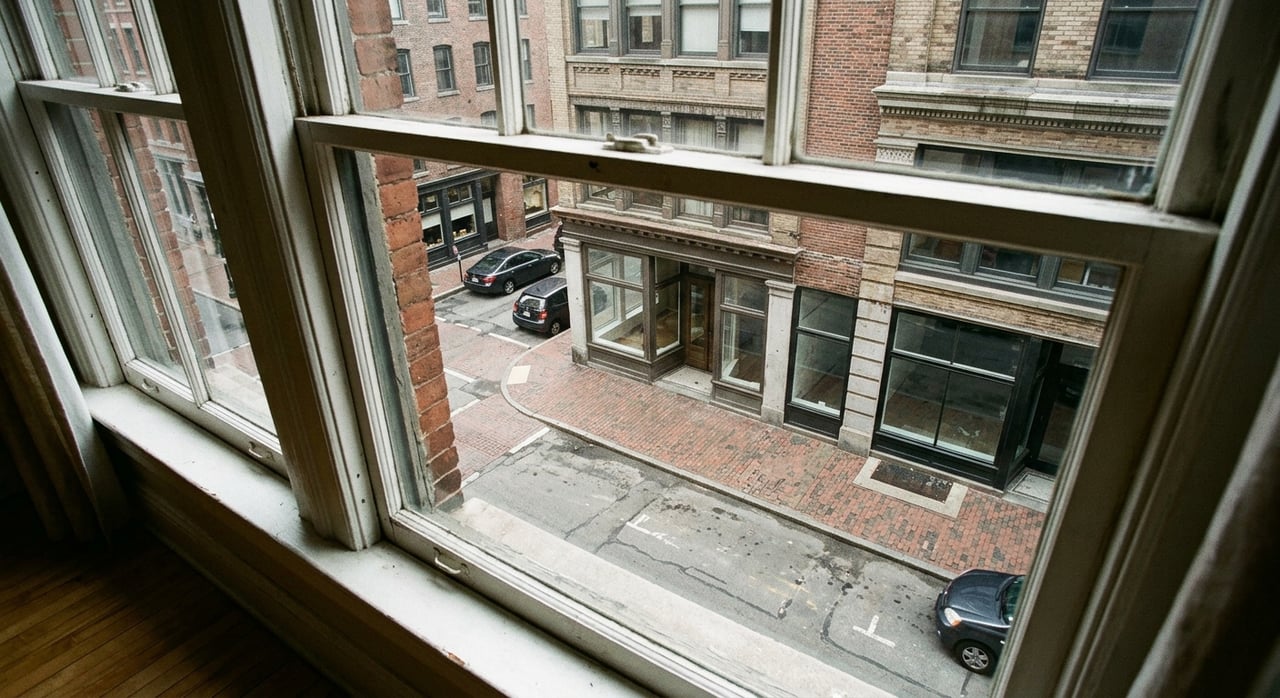
Construction and operations can make or break your schedule. Midtown curbs are crowded and delivery windows are tight. Downtown’s older grids, especially SoHo’s narrow streets, complicate truck access and staging. Larger deliveries and night drops require planning.
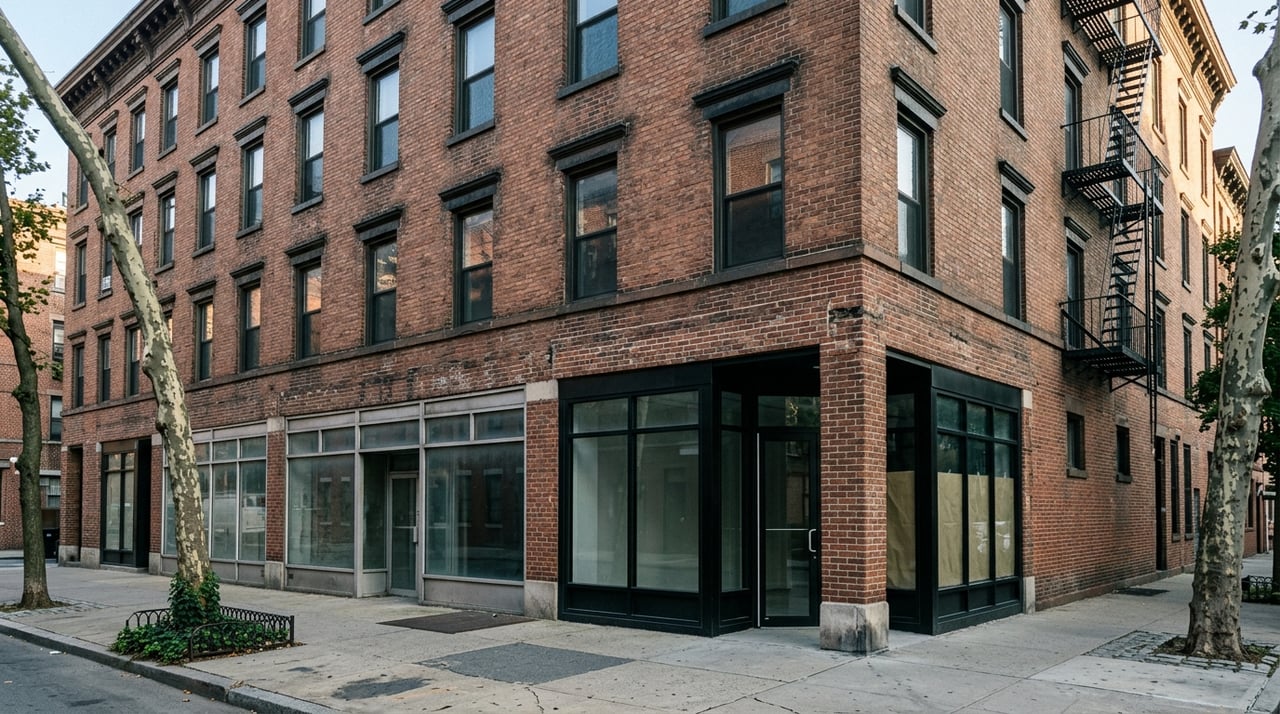
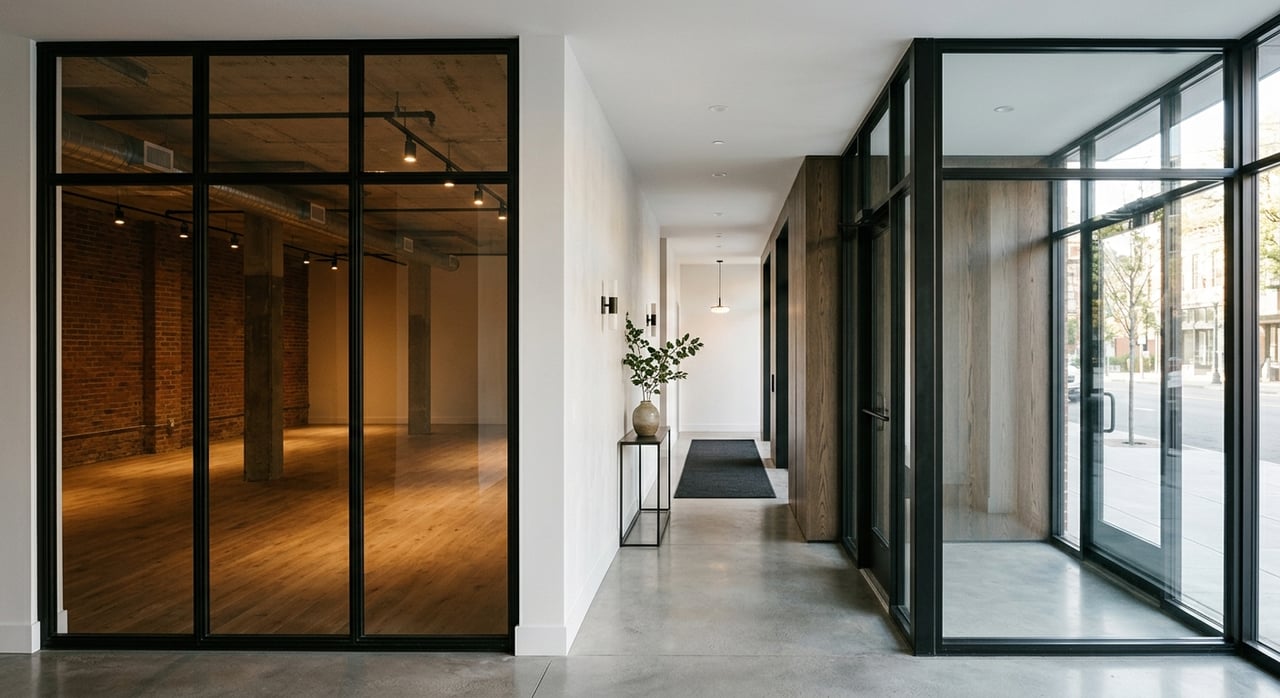
Space character matters. SoHo lofts often provide high ceilings that work well for experiential retail and showrooms. Midtown retail can be split across floors with more limited ceiling flexibility.
Verify:
- Loading rules, curb permits, and delivery windows with the appropriate city offices
- Engineering reports on floor loading, HVAC capacity, and grease traps if needed
- Waste removal procedures and any shared dock access
Permitting and neighborhood controls
Historic districts Downtown, such as parts of SoHo and Greenwich Village, introduce landmark review for exterior changes and signage. This can add weeks to months to your timeline depending on scope. Sidewalk cafes, awnings, and signage follow separate permits. Alcohol license approvals depend on the State and often require community input.
Align your plan with:
- Department of Buildings for permits and certificate of occupancy needs
- Landmarks Preservation Commission for exterior work in designated districts
- Department of Transportation for sidewalk and curbside permits
- State Liquor Authority for on-premise licensing where relevant
- Local community boards and BIDs for expectations and outreach
Corridor picks by goal
For flagship visibility and awareness
- Midtown Fifth Avenue from 34th to 59th Street: global luxury and flagship addresses with very high tourist visibility. Strong for high-visibility flagships.
- Times Square and Broadway around 42nd Street: massive raw pedestrian counts and entertainment-driven visits. Good for brand awareness and high-turnover concepts.
For commuter convenience and weekday reliability
- Herald Square and 34th Street near Penn Station: strong commuter flows and value or volume retail.
- Midtown East around Lexington and Madison Avenues: office-heavy trade areas that favor appointment-based services and luxury boutiques.
For lifestyle and experiential retail
- SoHo along Prince, Spring, and Broome, plus Broadway and West Broadway: fashion, boutique, and experience-led stores with higher dwell time and strong tourist shopping intent.
- Hudson Yards and Manhattan West: curated retail in a newer mixed-use setting, combining office workers, affluent residents, and destination visitors.
For evening and weekend food and beverage
- Bleecker Street and the West Village: neighborhood traffic, strong evenings and weekends, and repeat local customers.
- Tribeca and Hudson Square: affluent residential base and destination restaurants.
For value-driven, high-turn inventory
- Chinatown and Canal Street: heavy tourist volume and price-sensitive shopping that can suit quick-turn accessories and gift concepts.
A practical shortlist checklist
Use this fast filter before you tour:
- Target match: Does the corridor’s main customer align with your brand’s shopper profile? Office, tourist, or local resident.
- Footfall quality: Do hourly counts, dwell time, and repeat visitation meet your conversion needs across weekdays and weekends?
- Space fit: Does available inventory meet your minimum size, ceiling height, and frontage requirements?
- Deal economics: Do base rent, TI, free rent, and percent rent align with unit-level returns?
- Transit reach: Do nearby hubs and lines deliver reliable, year-round traffic?
- Logistics reality: Can you load, stage, and remove waste within your operating schedule?
- Permitting path: Are there landmark or special district rules that extend your timeline?
- Co-tenancy plan: Will anchors and neighbors complement your offer, not cannibalize it?
How we help you choose faster
You want a Manhattan location that fits your brand, hits your sales density, and opens on time. Our senior-led team pairs street-level knowledge with data-driven tenant representation to get you there. We help you build a corridor shortlist, secure the right space on the right terms, and manage the details that protect your timeline and budget.
What you can expect:
- Site selection clarity: A side-by-side view of Midtown and Downtown options keyed to your customer, hours, and operational model.
- Data-backed screening: Foot traffic, transit, and trade area benchmarks to qualify each site.
- Deal execution: Focused negotiation on TI, free rent, co-tenancy and exclusivity, signage approvals, and delivery windows.
- On and off-market access: Curated storefront opportunities, including discreet options that never hit public listing portals.
Ready to pick the right Manhattan corridor and move with confidence? Connect with the senior team at Asset CRG Advisors LLC to start your site search.
FAQs
Is Midtown or Downtown better for a flagship store?
- For maximum visibility, choose Midtown Fifth Avenue or Times Square, while fashion and lifestyle flagships often succeed in SoHo thanks to higher dwell time.
Where can I count on weekday office traffic?
- Midtown has the deepest office worker base and commuter flows, which supports reliable Monday to Friday daytime sales.
Which area works best for evening and weekend dining?
- Downtown corridors like Bleecker Street, West Village, Tribeca, and SoHo tend to perform well for food and beverage during evenings and weekends.
How much longer do landmark approvals add Downtown?
- Landmark review can add weeks to months depending on scope, so build permitting lead time into your rollout plan.
What operational factors raise soft costs in Manhattan?
- Limited loading access, narrow streets in SoHo, restricted delivery windows, and landmark reviews often increase logistics and contractor coordination costs.
Are there incentives that lower rents in these submarkets?
- Broad incentives are limited in Manhattan, but targeted programs and BID marketing support may exist, and landlords sometimes offer TI or marketing dollars case by case.