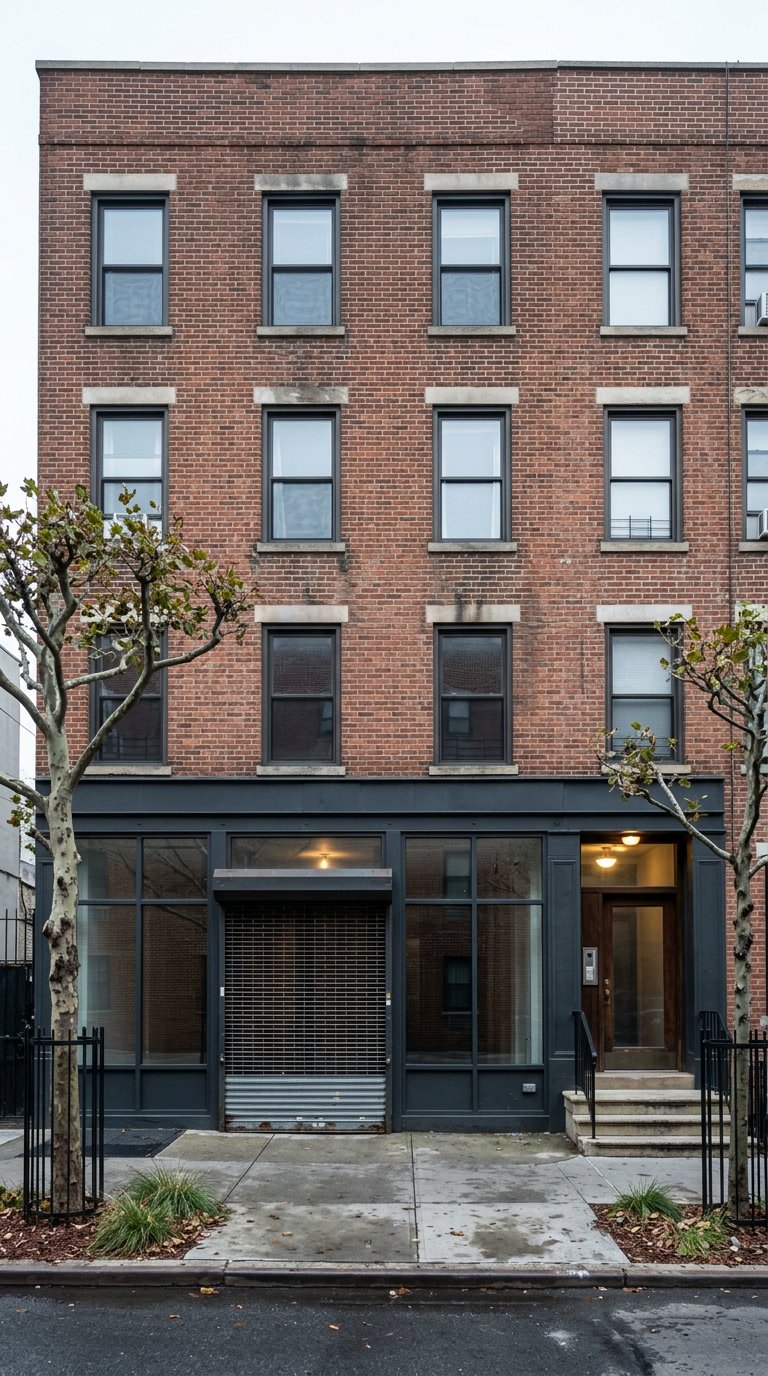
Looking for stronger yields in New York without overpaying for core assets? You are not alone. Many investors are turning to Bronx mixed-use buildings for a lower entry basis, solid rent momentum, and retail repositioning upside that is harder to find in Manhattan or prime Brooklyn. In this guide, you will see the data behind that shift, the corridors to watch, and a practical checklist to underwrite deals with discipline. Let’s dive in.
The investment case
- Lower basis with cash flow support. City data shows the Bronx maintained tight rental occupancy, with rental vacancy about 2.1 percent in 2023. That stability supports cash flow in mixed-use assets with residential over retail. See the NYU Furman Center’s Bronx profile for the latest borough snapshot.
- Yield premium. Citywide mixed-use cap rates averaged roughly 7.4 percent in Q4 2025, according to Cushman & Wakefield. That level gives you spread over prime Manhattan assets and room to create value with operations and leasing.
- Value-add retail. Corridor performance varies across the Bronx. Locations like Fordham Road command the highest asking rents per square foot in the borough, while other areas offer re-tenanting opportunities and lease-up upside. Targeted retail repositioning is often where mixed-use deals outperform.
- Policy tailwinds to watch. New incentive programs like 485x and extensions for some 421-a projects are reshaping where ground-up and redevelopment pencil. The details matter for taxes, wages, and affordability requirements.
Demand and supply signals
Tight rentals and rent trends
The Bronx’s rental market has been tight for years. The NYU Furman Center reports rental vacancy around 2.1 percent in 2023, underscoring durable demand and helping stabilize income in mixed-use stock with apartments above. Asking rents for new listings have risen faster since 2022, although new developments sometimes use concessions to lease up. Street-level indicators point to firm demand with selective incentives for newer product.
- Reference data: review the Furman Center’s Bronx profile for vacancy and rent context. For asking-rent and concession trends across NYC, see StreetEasy’s analysis of elevated concessions in recent periods.
Population tailwinds
New York City returned to net population growth between July 2023 and July 2024, and all five boroughs gained residents during that period. That rebound supports rental demand in outer-borough submarkets like the Bronx and adds confidence to underwriting future lease-up.
- Source: NYC Department of City Planning’s latest population estimates release.
Development pipeline and incentives
The Bronx saw significant multifamily activity over the past decade, including a large share of income-targeted projects. That tilt leaves pockets of mixed-use stock where market-rate units and retail can be improved for upside. New programs like 485x and limited 421-a extensions are influencing feasibility for ground-up or major redevelopment, but they also bring wage and affordability tradeoffs that change the pro forma.
- Source: coverage of 485x and the 421-a extension dynamics.
Cap rates and yield spread
Citywide mixed-use transactions averaged about 7.4 percent in Q4 2025, per Cushman & Wakefield. Valuation surveys show prime gateway submarkets price at materially lower cap rates, while emerging markets such as South Bronx walkups often transact in the mid to high single digits. That spread is what investors target when they buy, improve operations, then exit or refinance.
- Benchmark: Cushman & Wakefield’s Q4 2025 NYC MarketBeat for mixed-use averages.
- Context: Newmark’s valuation survey on gateway versus emerging market cap-rate ranges.
In practical terms, many Bronx offerings still price with higher going-in yields than comparable Manhattan or prime Brooklyn assets. That room allows you to underwrite conservative cash flow while planning targeted value creation.
Retail and ground-floor reality
Corridor dispersion
Retail performance varies widely by corridor. Fordham Road continues to post the highest asking rents per square foot in the Bronx, while areas like The Hub and parts of the South Bronx show higher availability. A mixed-use property near heavy foot traffic and transit will underwrite differently than a secondary stretch. Price the corridor premium into rent assumptions, leasing timelines, and TI packages.
- Source: RM Friedland’s Bronx retail leasing report with corridor-level asking rents and availability.
Tenant mix and credit
Typical ground-floor mixes include grocery and daily-needs retailers, discount concepts, community services, national QSR, and value-oriented fitness or phone retailers. Anchors and grocers can lift traffic and credit, but you should weigh base-year expense allocations, pass-throughs, signage rules, and loading logistics. Underwrite renewals and re-tenanting risk conservatively where lease terms are short or tenant credit is thin.
- Source: RM Friedland’s corridor-level comps and availability snapshots.
Underwriting checklist
Use this quick list before you bid:
- Rent-roll and DHCR audit. Pull registration history and Orders and Agreements for every unit to confirm regulated status, legal rents, and any overcharge exposure. Post-2019 HSTPA changes expanded lookback and penalties, so documentation matters.
- HPD and building systems. Run an HPD violations search and map likely near-term CapEx. The Bronx shows higher incidence of housing code violations per 1,000 rental units than some other boroughs, so build larger reserves for older walkups and elevator buildings. See the Furman Center profile for borough-level indicators.
- Retail cash flow. Verify base-year operating expense allocations, who pays utilities and tax pass-throughs, signage rights, and loading access. Discount income from weaker-credit tenants with short remaining term or assume downtime and TI for re-tenanting. Use corridor asking rents and availability from RM Friedland to test achievable PSF.
- Title, tax lot, and zoning. Confirm title status, any lot-line or easement issues, and check for unused FAR. If redevelopment is in play, confirm potential eligibility and obligations under 485x or related programs.
Assumptions to model
- Entry versus exit. In lower-basis Bronx mixed-use, buyers often target going-in cap rates in the mid to high single digits with a plan to improve operations, then refine the exit or refinance assumptions accordingly. Always stress test slower lease-up, higher expenses, and no cap compression.
- Time to stabilize. For mid-rise mixed-use with modest retail vacancy, plan for a 9 to 24 month stabilization window depending on unit mix, rent-regulated content, and retail downtime. Validate with local leasing comps before finalizing your schedule.
- CapEx and contingencies. Do not rely on a single per-unit number. Scope systems, façade, and elevator work separately, then add a 20 to 40 percent contingency on top of contractor bids for older stock.
Financing and exits
Debt programs. For stabilized assets, agency products tend to offer the best long-term rates and leverage. For value-add or transitional deals, bridge and mezzanine capital are common, but at higher cost and shorter terms.
Refinance path. A typical play is renovate, lease up, then refinance into agency or HUD once DSCR and NOI support it. Confirm rent growth assumptions with local comps and stress test for higher interest-rate scenarios.
Reference: lender program comparators and common DSCR and LTV thresholds for NYC multifamily.
Submarket snapshots
South Bronx and Mott Haven
Investors continue to focus on South Bronx waterfront and conversion opportunities, along with mixed-use redevelopment near transit. Track new ground-up and repositioning activity to gauge pricing and absorption.
- Source: Cushman & Wakefield’s NYC MarketBeat coverage.
Fordham Road, Belmont, and Kingsbridge
These high-traffic corridors offer visible retail demand and measurable asking rents per square foot. The corridor premium on Fordham Road is a useful baseline for underwriting nearby blocks, adjusting for site-specific depths, frontage, and loading.
- Source: RM Friedland’s Bronx retail leasing report.
Northeast Bronx, Parkchester, and Riverdale
These areas often show steadier residential dynamics and quieter retail. For income-focused investors, more conservative assumptions on rent growth and lower retail turnover can balance overall risk.
Key risks and mitigants
- Regulatory exposure. Post-2019 rent law changes increased overcharge liability and limited certain rent increases. Have counsel review HSTPA implications and rent histories for any regulated exposure.
- Operations and deferred maintenance. Older Bronx stock tends to show higher code-violation incidence. Budget for boiler, roof, façade, elevator, and accessibility upgrades and maintain stronger operating reserves. The Furman Center profile can help frame borough-level context.
- Retail volatility. Corridor health varies and consumer behavior is evolving. Favor daily-needs anchors where possible, include CPI or percentage rent clauses where appropriate, and assume short gaps between tenants in a downside case. Use RM Friedland’s corridor data for comps.
- Interest-rate sensitivity. Higher rates compress spreads and can stall refinance plans. Model higher debt costs and lower exit multiples. Review current lender benchmarks when setting DSCR and proceeds.
Next steps
- Validate assumptions with local comps. Pull rent, retail PSF, and availability by corridor. Use borough data to frame risk and then adjust to your asset’s block and lot.
- Structure a realistic timeline. Build a stabilization schedule for residential and retail separately and include contingency for retail downtime.
- Line up the right capital. Compare bridge versus agency terms and model both paths to see which fits the business plan and risk profile.
- Get local eyes on the deal. A senior-led, borough-focused team can pressure test underwriting, surface off-market options, and connect you with the right tenants.
If you want a data-backed valuation, curated on- and off-market opportunities, or a retail leasing plan aligned to your corridor, connect with Asset CRG Advisors LLC. Our senior brokers will help you source, underwrite, and execute with confidence.
FAQs
What cap rates are typical for NYC mixed-use in 2025?
- Cushman & Wakefield reported a citywide average mixed-use cap rate of about 7.4 percent in Q4 2025, a useful benchmark when evaluating Bronx deals.
How do Bronx retail rents vary by corridor in 2025?
- RM Friedland’s Q1 2025 report shows Fordham Road with the highest asking rent per square foot in the borough, while other corridors show higher availability and softer pricing.
How is population change supporting Bronx rental demand?
- NYC’s population grew between July 2023 and July 2024 across all five boroughs, according to the Department of City Planning, which supports rental demand in the Bronx.
What due diligence is essential before bidding a Bronx mixed-use deal?
- Audit DHCR rent histories, review HPD violations and building systems, verify retail expense pass-throughs and lease terms, and confirm title, zoning, and potential 485x eligibility.
How do 485x and the 421-a extension affect feasibility?
- These incentives can improve development economics on eligible sites but add wage and affordability requirements, so you must test the pro forma carefully against the current rules.